Scholarship Overview
You apply directly with the provider. We never charge for applications or ask for payment details. How we verify scholarships
People Also Checked: Duke University Postdoctoral Fellowships 2025: Multiple Research Positions in STEM and Health Sciences (Fully Funded)
Overview
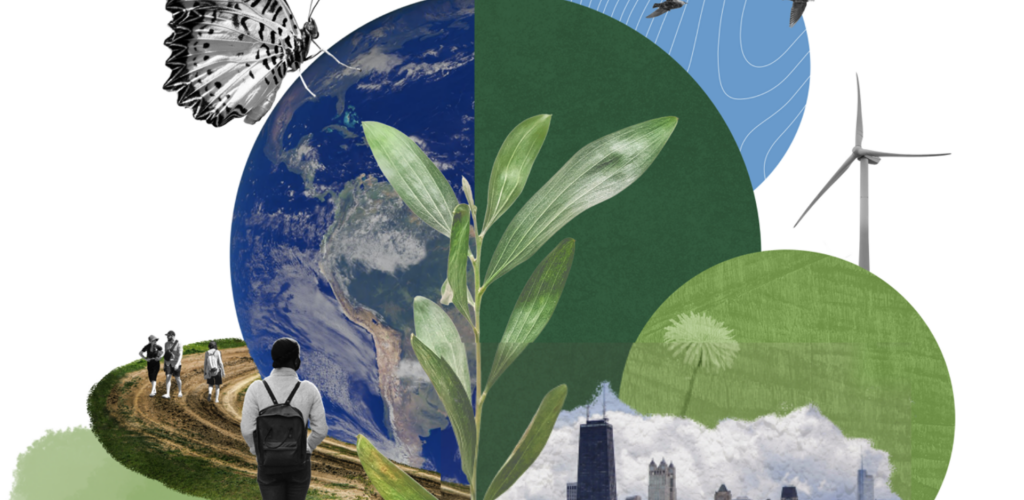
The Demographics & Planetary Health Story Prize 2026 recognizes original published journalism that connects demographic change to planetary health. The contest honors reporting that reaches beyond specialist audiences to explain how population dynamics, reproductive health, migration, climate, and economic forces intersect.
Hosted by four Johns Hopkins University institutions—the Institute for Planetary Health, the Planetary Health Alliance, the Hopkins Population Center, and the William H. Gates Sr. Institute for Population and Reproductive Health—the prize takes a deliberately wide lens. It welcomes traditional journalists and independent content creators alike.
People Also Checked: Reginald F. Lewis Fellowship 2027-2028: Harvard Law School Research Fellowship (Fully Funded)
Award Amount
Two categories each offer $500 USD:
- Print, Podcast, Digital News, & Newsletters: For journalists publishing through recognized media outlets or self-publishing platforms
- Social Media, Blogs, & Video: For content creators using social networks or personally-driven outlets to engage audiences
Eligibility
Who Can Apply
- Professional journalists and freelancers
- Community reporters
- Student journalists
- Content creators publishing for digital, print, or social outlets
Who Cannot Apply
- NGO or organizational blog submissions are explicitly excluded
Geographic Scope
The prize is open globally. For African journalists—including those in Zimbabwe and the SADC region—this represents an opportunity to bring regional perspectives on climate-driven migration, urbanization, and reproductive health access to international attention.
People Also Checked: YSEALI Academic Fellows Program 2027: Complete Application Guide for Southeast Asian Leaders (Fully Funded)
Eligible Story Topics
Submissions must substantively engage the intersection of demographics and planetary health. Eligible topics include:
- Population trends and their environmental or health consequences
- Climate or resource-pressure driven migration
- Reproductive health access amid environmental change
- Solutions and innovations to mitigate forced migration
- Energy and urbanization: designing cities for demographic trends
- Heat levels and pollution impacts on maternal health
- Climate impacts on marginalized populations and gender disparities
Eligible Formats
- Published or broadcast news stories
- Features or op-eds
- Explanatory pieces
- Short-form documentary or audio pieces
Publication Date Requirement
Only content published in 2026 is eligible. Stories published in earlier years do not qualify.
Submission Requirements
Every submission must include:
- Author details (name, contact information)
- A headline and sub-headline
- Link to the published piece, OR a draft plus note on planned publication outlet
- 150-word summary of the story’s significance and reporting methodology
- Media outlet affiliation
- Thumbnail image representing the piece
Evaluation Criteria
Judges from journalism, planetary health, and demography fields score submissions on:
- Originality and rigor: Sourcing beyond press releases; new information or framing
- Clarity of connection: Making the demographics-planetary health link accessible to general audiences
- Craft: Well-structured writing; effective use of data or visual storytelling
- Potential for impact: Likelihood of reaching readers outside specialist circles
- Substantive power: Advancing the conversation with meaningful reporting
Key Dates
- 10 August 2026: Submissions open
- 22 September 2026: Virtual Story Pitch Session (optional registration)
- 9 October 2026: Submissions close—no extensions
- 22 October 2026: Winners announced at Demographics & Planetary Health Convening, Washington, D.C.
Virtual Story Pitch Session
On 22 September 2026, applicants may attend a virtual session featuring experts discussing consequential storylines at the demographics-planetary health intersection. The event coincides with Climate Week NYC and UNGA 81. Registration is free, and recordings with presentation slides are distributed afterward.
How to Apply
- Confirm your story was published in 2026 and meets topic and format requirements
- Gather all required materials: author details, headline/sub-headline, publication link or draft with outlet note, 150-word summary, outlet affiliation, and thumbnail image
- Complete the online submission form before 9 October 2026
- Retain confirmation of submission for your records
Strategic Considerations for African Applicants
Journalists from Zimbabwe and SADC countries can leverage distinctive reporting angles: climate-induced migration patterns across Southern Africa, urbanization pressures in rapidly growing cities like Harare and Lusaka, and the intersection of drought cycles with maternal health service access. The prize explicitly values stories that “reach outside a typical sector audience”—precisely where local expertise on regional challenges can differentiate your submission.
Student journalists and community reporters are equally eligible alongside established professionals, lowering barriers to entry. The $500 USD award, while modest, carries institutional weight from Johns Hopkins affiliation and can support follow-up reporting or equipment needs.
Official scholarship page: https://gatesinstitute.org/demographics-planetary-health-story-prize/
You apply directly with the provider. We never charge for applications or ask for payment details. How we verify scholarships