
Scholarship Overview
You apply directly with the provider. We never charge for applications or ask for payment details. How we verify scholarships
People Also Checked: UGHE Mastercard Foundation Scholars Program 2027: MSc in Health Professions Education for African Healthcare Professionals (Fully Funded)
What Is the EAB Innovation Fellowship?
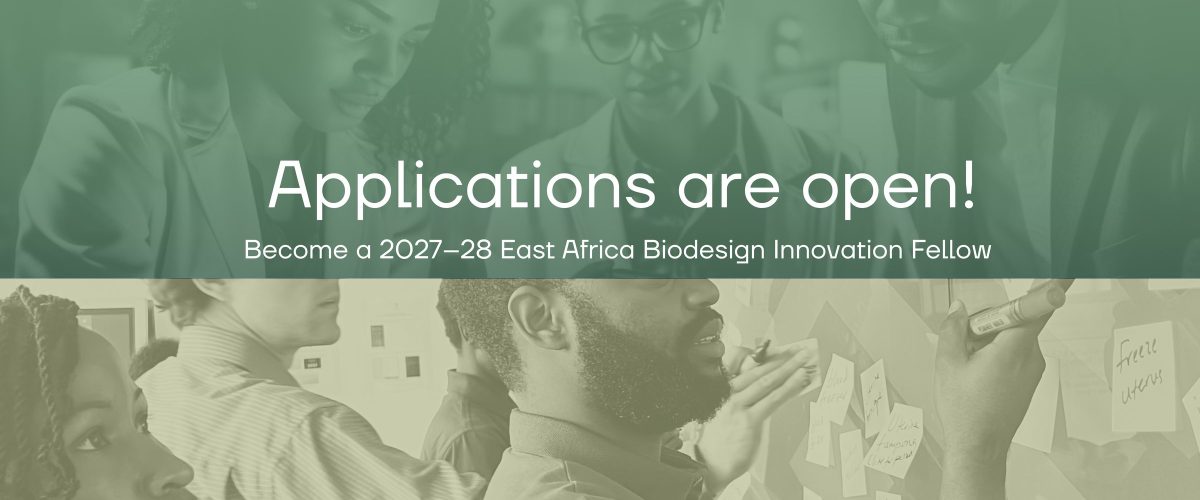
The EAB Innovation Fellowship is a competitive program designed for professionals ready to tackle Africa’s most pressing healthcare challenges through technology innovation. The fellowship brings together physicians, engineers and entrepreneurs who will work to identify unmet clinical needs across the continent and build practical health technologies to meet them.
The 2027–2028 cohort represents a unique opportunity for African innovators and their international counterparts to collaborate on solutions that can transform healthcare delivery in resource-limited settings. Fellows will engage in hands-on work to understand clinical gaps, design appropriate technologies, and develop sustainable implementation strategies.
People Also Checked: GovAI UK Summer Fellowship 2027 | Research Track in AI Governance (Fully Funded)
Who Should Apply
This fellowship specifically targets three professional profiles:
- Physicians: Medical doctors with clinical experience who can identify real-world healthcare gaps and validate technology solutions in practice
- Engineers: Professionals in biomedical, mechanical, electrical, software or related engineering fields who can design and prototype health technologies
- Entrepreneurs: Business-minded innovators with experience in healthcare startups, commercialization, or scaling solutions in African markets
The program particularly values candidates with demonstrated commitment to improving healthcare in Africa, whether through prior work experience, research, or community engagement. Applicants from Zimbabwe and the broader SADC region are encouraged to apply, as the fellowship seeks diverse perspectives from across the continent.
People Also Checked: European Youth Assembly 2027 | Funded Youth Leadership Conference in Amsterdam (Fully Funded)
Fellowship Structure and Focus
The 2027–2028 fellowship centers on a core methodology: finding Africa’s most urgent unmet clinical needs and building the technologies that meet them. This approach ensures that innovations are demand-driven rather than supply-driven, addressing actual problems faced by healthcare providers and patients.
While specific program duration and location details are not published in the available materials, the fellowship typically involves immersive fieldwork, design workshops, mentorship from experienced health technology innovators, and networking with investors and implementation partners across Africa.
Application Timeline
The application cycle for the 2027–2028 cohort follows this schedule:
- Applications Open: Currently open
- Application Deadline: December 13, 2026
- Fellowship Period: 2027–2028
Applicants should note that this is a fixed deadline with no extensions. Late submissions will not be considered.
How to Apply
Prospective fellows must complete the following steps:
- Review the official Call for Applications document to understand program expectations and requirements
- Read the Fellowship FAQ to clarify common questions about eligibility, structure, and outcomes
- Prepare required application materials (specific document list not published)
- Submit application through the official portal before the December 13, 2026 deadline
All application materials and official documents are available through the EAB website. For questions not addressed in the published materials, applicants may contact the fellowship team directly at eab@ughe.org.
Preparing a Competitive Application
Given the fellowship’s competitive nature and specific focus, successful applicants typically demonstrate:
- Clear evidence of relevant professional expertise in medicine, engineering, or entrepreneurship
- Understanding of healthcare challenges in African contexts, particularly in underserved communities
- Track record of innovation, problem-solving, or initiative in previous roles
- Commitment to staying engaged with African health systems beyond the fellowship period
- Collaborative mindset and ability to work across disciplines
Applicants from Zimbabwe and SADC countries should emphasize their regional knowledge and networks, as local insight is critical for identifying authentic clinical needs and designing feasible solutions.
Contact and Support
The fellowship administration encourages direct communication for clarifications. All inquiries should be directed to:
Email: eab@ughe.org
Applicants are advised to consult the published Call for Applications and FAQ before emailing, as these documents address most common questions.
Official scholarship page: https://eabiodesign.org/apply
You apply directly with the provider. We never charge for applications or ask for payment details. How we verify scholarships