Scholarship Overview
You apply directly with the provider. We never charge for applications or ask for payment details. How we verify scholarships
People Also Checked: Branco Weiss Fellowship – Society in Science 2027: Postdoctoral Research Grant (Fully Funded)
Overview
The SRP (Summer Research Program) is a competitive, fully funded internship opportunity for students pursuing careers in the life sciences. Hosted at EPFL (École polytechnique fédérale de Lausanne) in Switzerland, the program places selected students in world-class research laboratories for an intensive summer research experience. The 2027 program offers placements across 28 participating labs spanning molecular biology, neuroengineering, synthetic biology, biophysics, and computational life sciences.
For students from Zimbabwe and the SADC region, this represents a rare opportunity to gain international research experience at one of Europe’s premier technical universities, build global scientific networks, and strengthen applications for future graduate study.
People Also Checked: World Economic Forum Technology Pioneers Program 2027 | Global Start-up Recognition (Fully Funded)
Host Institution and Location
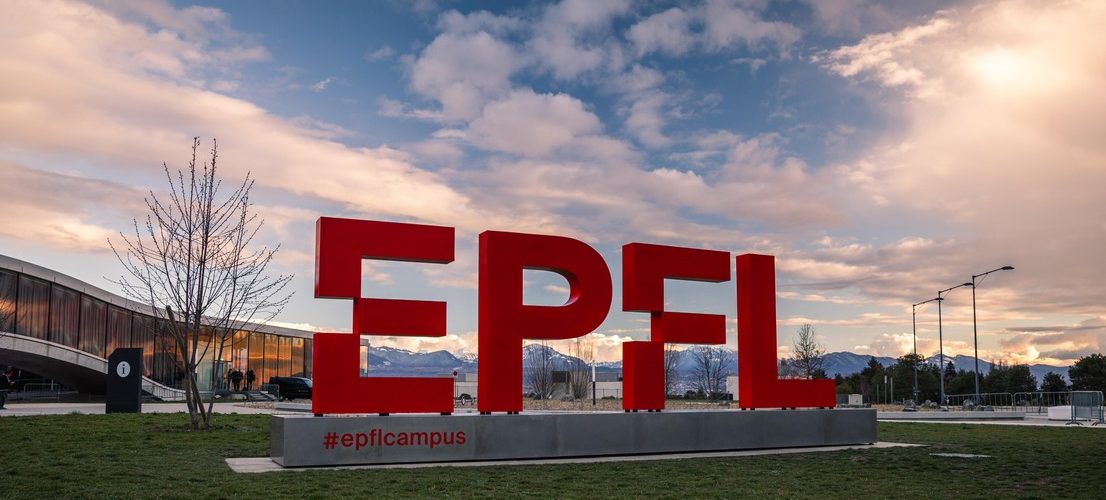
The program is hosted by EPFL’s School of Life Sciences in Lausanne, Switzerland. EPFL consistently ranks among the world’s top 20 universities for science and technology. The Lausanne campus sits on the shores of Lake Geneva, offering access to both French and German-speaking regions of Switzerland and proximity to major European research hubs.
Eligibility Requirements
Applicants must meet all of the following criteria:
People Also Checked: EPFL Life Sciences Summer Research Program 2027: Fully Funded Switzerland Internship (Fully Funded)
- Currently enrolled in a university program in biology, biophysics, chemistry, bio-engineering, bio-informatics, quantitative biology, genetics, medical sciences, or related life sciences fields
- Minimum GPA equivalent to 3.75/4.0 or higher, OR rank in the top 5% of your class
- Completed at least two years of undergraduate study, up to and including the first year of a master’s degree, before the program start date
- Demonstrated strong interest in pursuing a career in life sciences
- Must apply using the online application system—no other formats are accepted
Note: Basic life sciences understanding is essential. Previous laboratory experience is advantageous but not strictly required.
Participating Research Laboratories 2027
The 2027 program offers 28 specialized laboratories:
- Bioengineering & Biomaterials: Altug Lab (BioNanoPhotonic Systems), Bastings Lab (Programmable Biomaterials), Tang Lab (Biomaterials for Immunoengineering), Stellacci Lab (Supramolecular Nanomaterials)
- Neuroscience & Neuroengineering: Hummel Lab (Clinical Neuroengineering), Ijspeert Lab (Biorobotics), Kim Lab (Molecular and Synthetic Neuroengineering), Mathis Lab (Computational Neuroscience & AI), Ramdya Lab (Neuroengineering), Schrimpf Lab (NeuroAI), Priestley Lab (Neurobiology of Memory), McCabe Lab (Neural Genetics and Disease)
- Microbiology & Synthetic Biology: Blokesch Lab (Molecular Microbiology), Jeschek Lab (Synthetic and Applied Microbiology), Westmann Lab (Systems and Synthetic Evolutionary Biology), Persat Lab (Microbial Mechanics)
- Cancer & Disease Research: Brisken Lab (Breast Cancer Prevention), Gallini Lab (Skin Cancer Prevention), Thomä Lab (Cancer Research), Gönczy Lab (Cell and Developmental Biology)
- Structural & Computational Biology: Antanasijevic Lab (Virology and Structural Immunology), Dal Peraro Lab (Biomolecular Modeling), La Manno Lab (Brain Development and Biological Data Science), Maerkl Lab (Biological Network Characterization)
- Other Specializations: Barth Lab (Protein and Cell Engineering), Kozicka Lab (Proteostasis), Manley Lab (Experimental Biophysics), Maynard Lab (Regeneration and Neurogenomics), Nakatsuka Lab (Chemical Nanotechnology), Navarro Lab (Neuroimmunology and Aging), Paoli Lab (Microbiome Immunity and Ecology), Radenovic Lab (Nanoscale Biology), Sakar Lab (Microbiorobotic Systems), van der Goot Lab (Cell and Membrane Biology), Van de Ville Lab (Medical Image Processing)
Application Process
The application must be completed in one sitting—the system does not allow saving and returning. Prepare all materials before starting.
Required Documents
- Official university transcript(s): bachelor’s transcript required; master’s transcript if you have begun graduate study
- One letter of recommendation (referee contact details needed)
- Short personal essays (questions available in the FAQ section)
- Lab choice explanations
Selection Criteria
Applications are evaluated on:
- Academic performance (GPA and class standing)
- Short personal essays
- Scientific essay responses
- Basic life sciences knowledge
- Prior laboratory experience (advantageous but not required)
Only complete applications with all materials will be considered.
Important Dates
- Application deadline: November 15, 2026 at 23:59 CET
- Notification of results: Approximately six weeks after deadline (around late December 2026)
- Program dates: Summer 2027 (exact dates not specified in available information)
Funding and Support
The research describes the program as fully funded. Specific details regarding stipend amount, accommodation, travel support, and other benefits are not published in the available information. Applicants should consult the official program FAQ for comprehensive funding details.
Tips for African Applicants
- Transcript equivalency: Contact your registrar early to obtain official transcripts. If your institution uses a different grading scale, request a conversion to the 4.0 scale or obtain a ranking letter confirming top 5% status.
- Recommendation letters: Identify a referee who can speak specifically to your research potential and laboratory skills. Provide them with your CV and research interests at least three weeks before the deadline.
- Lab selection: Research each lab thoroughly. Select options where your background aligns with the research focus, even if your experience is coursework-based rather than laboratory-based.
- Essay preparation: Draft responses to the essay questions (found in the program FAQ) well in advance. Emphasize specific research interests and how the SRP advances your career goals.
- Time zone planning: The deadline is 23:59 CET (22:59 in Zimbabwe/South Africa). Submit early to avoid technical issues.
Related Opportunities
If you are interested in biomedical research internships, also consider: UTokyo Amgen Scholars Program 2027 (Japan), Summer@EPFL 2027 (Computer & Communication Sciences), and MIT Summer Research Program 2027 (USA).
Official scholarship page: https://www.epfl.ch/schools/sv/education/summer-research-program/how-to-apply/
You apply directly with the provider. We never charge for applications or ask for payment details. How we verify scholarships