
Scholarship Overview
You apply directly with the provider. We never charge for applications or ask for payment details. How we verify scholarships
People Also Checked: Jim Leech Mastercard Foundation Fellowship on Entrepreneurship 2026: African Startup Incubator (Fully Funded)
Overview
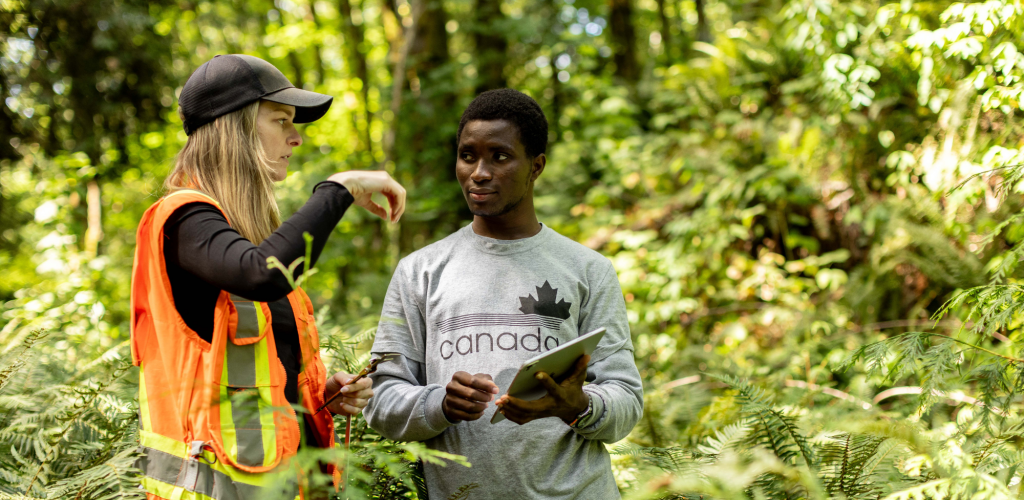
The Pacific Institute for Climate Solutions (PICS) Climate Internship Program connects British Columbia organizations with university students to advance climate action goals. Through an annual competitive process, eligible organizations can receive up to $15,000 to hire a student from one of four PICS universities: the University of British Columbia (UBC), Simon Fraser University (SFU), the University of Northern British Columbia (UNBC), or the University of Victoria (UVic).
Since 2024, the program has been delivered with sponsorship from Coast Capital. The 2026 funding round supports 30 organizations across British Columbia.
People Also Checked: UBC International Scholars Program 2027: Leadership & Community-Focused Award (Fully Funded)
What the Grant Covers
PICS contributes up to $15,000 toward intern salaries and employment-related costs. Host organizations must cover any costs exceeding this amount. The recommended internship duration is 13–16 weeks, with projects aligned to the university calendar cycle between late May and late August 2027.
Eligible expenses:
People Also Checked: Discover Canada Program 2026: Fully Funded Cultural Exchange in Toronto (Fully Funded)
- Intern salaries
- Employment-related costs
Ineligible expenses:
- Indirect cost recovery or overhead/administration
- Capital purchases (computers, equipment, furniture)
All funds must be used by December 31, 2026.
Who Can Apply
The program is open to British Columbia organizations including:
- Non-government organizations (registered non-profits)
- First Nations and Indigenous organizations
- Provincial government agencies and Crown corporations
- Local governments
- Cooperatives and social enterprises
- Private companies
Important limitation: This is a grant for organizations to hire interns, not a direct scholarship for individual students. Students seeking internship positions should monitor the PICS Careers page for job postings between February and April 2027. Internships are only open to students enrolled at PICS universities (UBC, SFU, UNBC, UVic).
Priority Project Criteria
PICS prioritizes funding for projects that:
- Provide direct climate value or benefit to organizations and communities in British Columbia
- Offer excellent early career development opportunities for university students in climate-related fields
- Are likely to generate or inspire further climate actions or policies in other organizations or communities
Application Requirements
The application form requires detailed information across several categories:
Organization Details
- Applicant name and contact information
- Organization size (staff count categories)
- Organization type
Project Information
- Project title and proposed dates
- Internship duration (suggested 13–16 weeks)
- Requested PICS funding amount (up to $15,000)
- Estimated intern hours and hourly rate
Project Description
Applicants must describe:
- Purpose and value of the project
- Key activities, timeline, and deliverables
- Intended impact and knowledge mobilization plans
- Student role, responsibilities, and support structure
- Qualifications and skills sought in the intern
- Work arrangement (in-person, remote, or hybrid)
- Whether field work is included
Justice, Equity, Diversity, and Inclusion (JEDI)
Applications must address:
- Steps to create an accessible, equitable, diverse, and inclusive work environment
- How the project supports principles of reconciliation in design, implementation, and deliverables
Evaluation Process
Applications are scored on a 25-point scale across five criteria:
- Climate value to communities/sectors: 1–5 points
- Clear purpose, approach, and outputs: 1–5 points
- Potential for broader climate impacts through knowledge mobilization: 1–5 points
- Clearly defined student role/responsibilities: Satisfactory or not satisfactory
- Rooted in JEDI and reconciliation principles: 1–5 points
PICS staff manage the evaluation with supplemental input from external technical experts. Organizations are notified of decisions in mid-December 2026.
Timeline
- Application deadline: November 20, 2026, 4:00 p.m.
- Notification of decisions: Mid-December 2026
- Latest intern hire date: April 30, 2027 (to allow participation in launch workshop)
- Internship period: Late May to late August 2027
Extensions beyond late August may be possible without additional PICS funding, with agreement from the student and PICS.
After Funding Approval
Selected organizations receive an award letter outlining requirements for grant payment. Organizations are responsible for recruiting and hiring their intern from among PICS university students. PICS provides guides and resources to assist with recruitment. The program uses a cohort model that creates opportunities for sharing and learning among participating organizations and students.
Knowledge Mobilization
PICS encourages hosts to maximize climate impact beyond the project period. Knowledge mobilization—adapting and disseminating knowledge to increase reach and inform decision-making—is a scored evaluation criterion. Resources are available through Simon Fraser University’s Knowledge Mobilization Hub and PICS planning templates.
Resources for Applicants
PICS provides several resources to strengthen applications:
- Guide to Setting Knowledge Mobilization Goals
- Knowledge Mobilization Planning Template
- Resources on reconciliation, Indigenous knowledges, and climate change
- Climate justice resources from UBC and UC Centre for Climate Justice
Contact
For questions about the application process, email picsintern@uvic.ca.
Official scholarship page: https://climatesolutions.ca/current-funding-opportunities/climate-internship-program/?utm_source=linkedin&utm_medium=social&utm_campaign=hootsuite
You apply directly with the provider. We never charge for applications or ask for payment details. How we verify scholarships